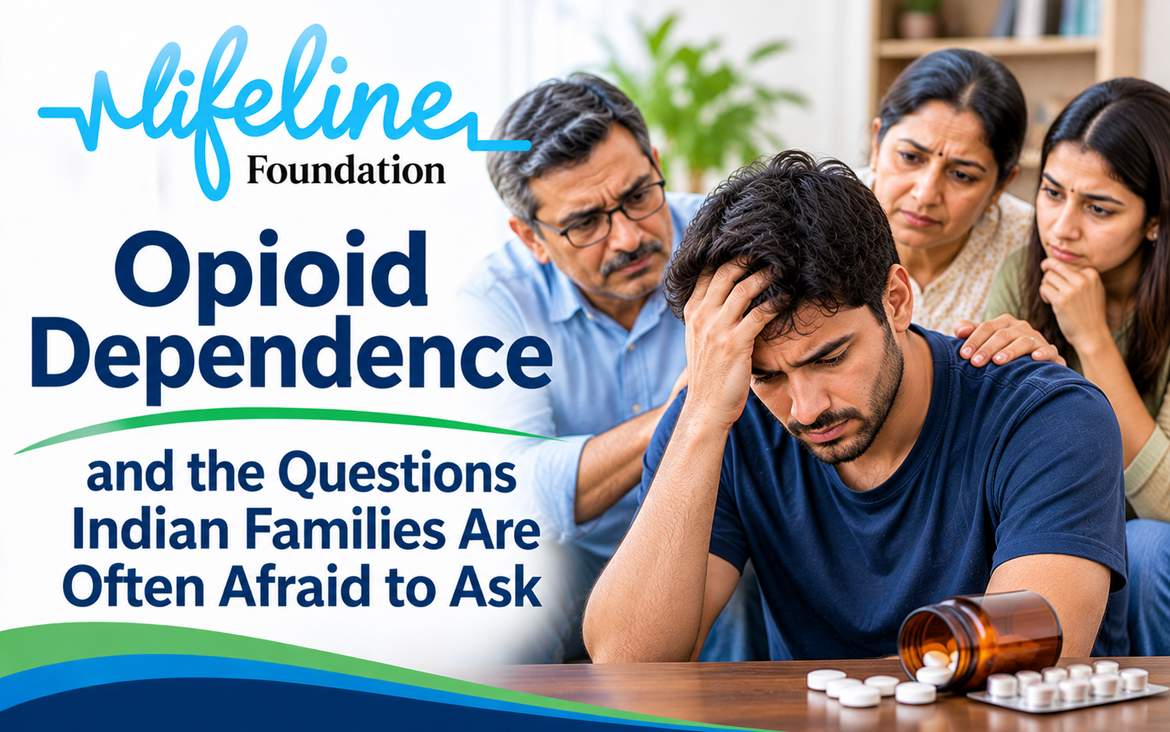
A family may first discover opioid use through missing pain tablets, unexplained spending or a relative who seems unusually drowsy. Sometimes it involves heroin; sometimes a medicine was originally prescribed for pain. The circumstances differ, and so does the appropriate response. What they share is the need for careful medical assessment rather than panic, secrecy or a punishment-based solution.
Opioids affect breathing, cause physical dependence and can lead to a substance use disorder. Yet dependence and addiction are not identical. Someone taking an opioid exactly as prescribed can develop physical dependence without necessarily having the compulsive pattern of use that defines addiction. A clinician needs to assess the whole picture.
Recognise the danger that cannot wait
An opioid overdose can slow or stop breathing. A person may be difficult to wake, breathe very slowly or have other signs of severe poisoning. This is a medical emergency. Call emergency services promptly. The World Health Organization recommends that people likely to witness opioid overdose have access to naloxone and training in its use. Naloxone is an emergency medicine, not a replacement for urgent medical evaluation and continuing care.
Mixing opioids with alcohol or sedative medicines can increase the risk of breathing problems. Overdose risk may also be higher after a period without opioid use because tolerance can fall. This is particularly important after abstinence, hospitalisation or a residential stay. Relatives should discuss an overdose-response plan with a qualified clinician rather than relying on guesswork.
What the Indian evidence tells us—and what it does not
The National Drug Dependence Treatment Centre at AIIMS reported in its 2019 study that an estimated 2.1% of people aged 10–75 in India used opioids. The report also estimated that a smaller group had problem or dependent use. These figures describe an earlier national survey, not present-day Pune prevalence or the likelihood that a particular person has an opioid use disorder.
The distinction matters. A headline number cannot diagnose a family member. Assessment considers the substance, dose and pattern of use, loss of control, impairment, withdrawal, physical illness and mental health. It should also consider whether prescribed pain treatment is being used appropriately and whether another medical condition needs attention.
A trusted doctor or addiction specialist can help separate these questions without treating every tablet or every person as the same problem.
Why “just get it out of the body” is incomplete
Opioid withdrawal can be extremely distressing. But a short detoxification period alone does not necessarily address cravings, risks of renewed use or the circumstances that sustain harmful use. For opioid use disorder, evidence-based treatment can include appropriately prescribed medicines and psychosocial care, with ongoing review.
The WHO–UNODC International Standards for the Treatment of Drug Use Disorders and WHO’s guidance on opioid dependence support individualised, evidence-based treatment, including medication where indicated. Medicine is not a moral shortcut, and it should not be started, stopped or changed by relatives. The appropriate option depends on medical assessment and local availability of qualified services.
Ask whether the treating professional is able to explain the reason for a recommended medicine, its monitoring, alternatives and follow-up. Be cautious of blanket statements that medication always replaces one addiction with another. Equally, do not assume that medicine alone addresses every social, psychological or medical need.
The conversation at home can either open or close the door
If a relative is found using opioids, the first response should be to establish immediate safety. Once the person is alert and medically stable, avoid demanding a confession before allowing them to speak. Ask what substance was used, whether it was prescribed, what they are afraid of and whether they will agree to an assessment.
Families may need to address lost money or broken trust. That is legitimate. But public humiliation, threats of violence or forcing the person into an unverified facility can make safe disclosure and treatment less likely. The person should have an opportunity to understand and participate in care, subject to applicable legal and clinical safeguards.
A relative may be carrying several problems at once: chronic pain, job loss, anxiety, difficult housing or pressure from friends who use drugs. None excuses harmful behaviour. All may be relevant to an effective care plan.
How to judge a local treatment option
When approaching a drug rehabilitation centre in Pune, begin with medical capabilities, not promotional promises. Is there a qualified clinical assessment? Can the team manage opioid-related health problems or refer promptly? Does it offer or coordinate evidence-based medication when indicated? Can it address depression, other substance use and ongoing pain? What is the plan after discharge?
Ask about informed consent, confidentiality, family involvement, written fees and emergency transfer. If the provider cannot explain how it handles overdose, medical complications or a patient who needs a different level of care, keep looking for qualified advice.
For a first visit around Undri and Mohammedwadi Road, use the agreed location link to plan the journey and confirm the precise entrance with the provider. Do not choose care only because it is near home. Aftercare access matters, but treatment quality and medical suitability come first.
Protect the ordinary parts of life too
A practical plan may include reviewing medicines with the prescribing doctor, screening for relevant infections when clinically appropriate, checking sleep and mood, and making arrangements for work or dependants. Where injection drug use is involved, clinicians may recommend testing and preventive care for blood-borne infections. These issues belong in routine health discussion, not in a moral judgment.
Family members can help with transport, agreed appointments and household stability. They should not be asked to dispense unknown medicines, manage a suspected overdose alone or act as untrained medical staff. They can also seek support for their own distress and set firm limits around unsafe behaviour.
If the first approach does not work, that is a reason to review the plan. It may call for different support, more frequent contact, a medical review or attention to an overlooked condition. Progress is not measured solely by how quickly someone leaves a programme; it is reflected in safety, engagement with care and a sustainable plan for daily living.
Opioid dependence calls for precise questions and steady decisions. Families need not know every medical term. They do need a qualified professional who can explain the risks, the options and how care will continue when the first stage ends.
Opioid and other prescription medicines should never be started, stopped or changed from general reading alone. Qualified clinical assessment is essential. Suspected overdose or slow breathing requires immediate emergency response and medical attention.