
Artificial intelligence is changing how medical devices, surgical instruments, and healthcare supplies are manufactured. Although patients rarely see these production processes, the technology can influence the safety, quality, and availability of medical products. These applications can reduce waste and support better quality control.
Identifying Defects Earlier
Medical products must meet strict quality standards because manufacturing errors can affect patient safety. AI-powered inspection systems use cameras and machine learning to identify potential defects, including surface damage, missing components, and irregular dimensions.
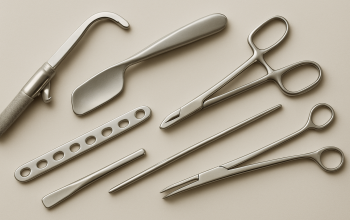
For example, automated inspection equipment can examine surgical instruments for visible manufacturing flaws before packaging. However, these systems require validation to confirm they reliably detect relevant problems.
Preventing Equipment Failures
Unexpected equipment breakdowns can interrupt production and delay medical product deliveries. AI can analyze machine temperatures, vibration patterns, and operating data to identify early signs of mechanical problems. Maintenance teams can use these findings to schedule repairs before equipment fails.
Manufacturers may also arrange short-term maintenance assistance during production increases or equipment upgrades. This approach helps reduce unplanned downtime while supporting consistent manufacturing operations.
Improving Production Accuracy
Medical manufacturing often requires precise control over temperatures, pressures, and material quantities. AI systems can examine production data to identify patterns associated with defects or inconsistent results.
For instance, a manufacturer producing plastic medical components might use machine learning to investigate changes in molding conditions. Engineers can then evaluate potential adjustments while following established validation procedures.
Keeping Human Oversight Essential
AI cannot replace trained professionals or established safety requirements. Incorrect data, software errors, and changing production conditions can affect automated recommendations. Quality specialists must verify results, investigate abnormalities, and maintain appropriate documentation.
Artificial intelligence offers medical manufacturers practical ways to improve inspections, anticipate equipment failures, and maintain production consistency. However, its effectiveness depends on reliable data, validated processes, and experienced employees. Look over the infographic below to learn more.