
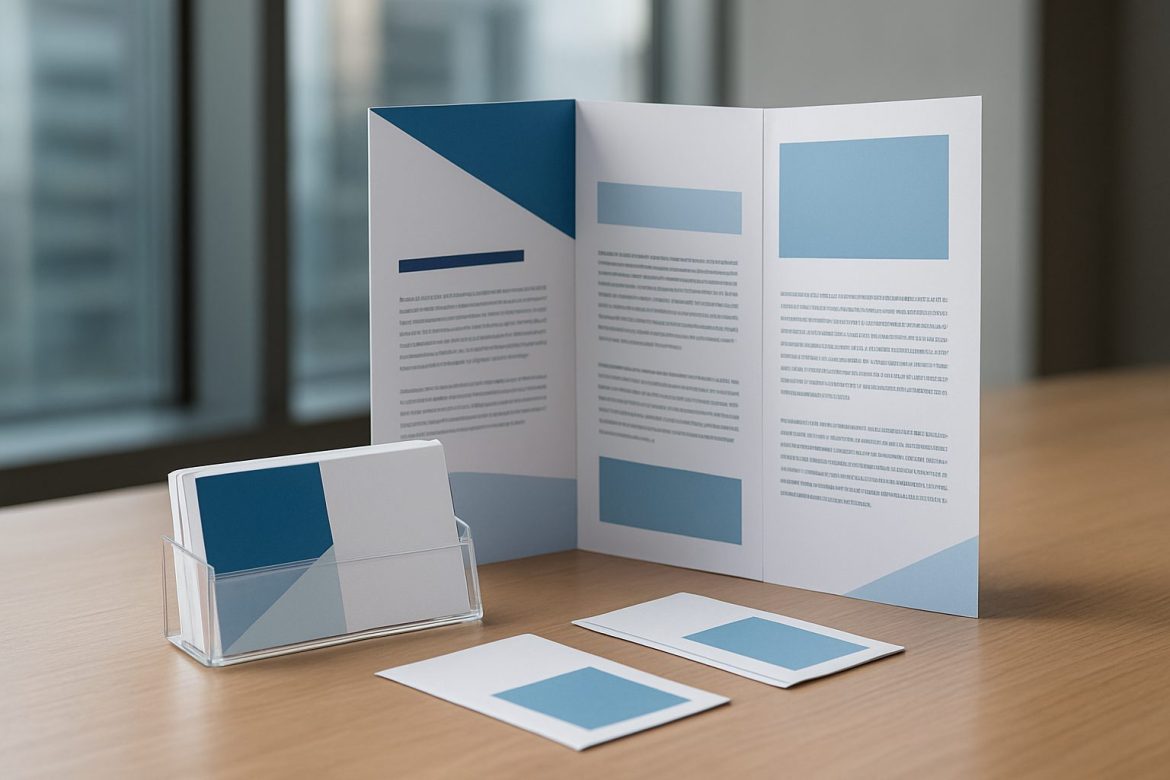
A brand is more than a logo or a color palette. It is the sum of every impression a business makes—and printed materials are among the most powerful carriers of that impression. When a client receives a professionally printed proposal, opens a beautifully packaged product, or picks up a thoughtfully designed brochure at an event, they are experiencing the brand in a direct, tangible way. That experience shapes perception, builds trust, and influences decisions.
Professional printing services sit at the intersection of design and communication, helping businesses translate their brand identity into physical materials that leave a lasting mark. Understanding how printing contributes to brand building—and how to approach it strategically—is essential for any organization that takes its image seriously.
Why Do Physical Print Materials Still Matter for Branding?
There is a persistent narrative that print is in decline. The reality is more nuanced. While digital communication has become dominant in many areas, print retains a distinct psychological and sensory advantage that digital channels cannot replicate.
Physical materials engage multiple senses. The weight of a premium business card, the texture of an embossed letterhead, the crisp resolution of a well-printed brochure—these sensory details communicate quality and care in ways that pixels on a screen simply cannot. Research consistently shows that people process and retain information from physical print more effectively than from digital sources.
For branding purposes, this has significant implications. Print materials create moments of engagement that are free from the distractions and interruptions that characterize digital experiences. A printed piece, once in someone’s hands, commands a level of focused attention that is increasingly rare.
What Printed Materials Are Most Important for Brand Identity?
Not all print materials carry equal weight when it comes to brand building. Some serve a functional purpose, while others are primarily expressive. The most strategically important printed materials are those that appear at key moments in the customer relationship.
Business cards remain one of the most enduring brand touchpoints. Despite the rise of digital contact sharing, a well-designed, high-quality business card continues to make a strong first impression. The paper stock, finish, typography, and overall design all communicate something about the standards and personality of the business behind it.
Corporate stationery—letterheads, envelopes, and notepads—reinforces professionalism in every written communication. For businesses that send physical correspondence, consistent stationery signals attention to detail and organizational cohesion.
Brochures and catalogs provide a deeper level of brand storytelling. They offer space to communicate values, showcase products or services, and guide a reader through a narrative. A well-crafted brochure is not just an information document—it is a brand experience in print form.
Packaging is perhaps the most powerful print application for product-based businesses. The unboxing experience has become a significant part of customer satisfaction and word-of-mouth promotion. Thoughtful, branded packaging elevates a product and transforms a routine purchase into something memorable.
How Does Color Management Affect Brand Consistency in Print?
One of the most technically demanding aspects of branded printing is color accuracy. Brands invest considerable effort in defining their color identity, and inconsistent reproduction across print materials can undermine that investment.
Professional printing services use color management systems that align digital files with physical ink outputs. This involves calibrating equipment to industry-standard color profiles and conducting regular quality checks throughout the print run. The goal is to ensure that the brand’s signature colors appear consistently across every printed piece, regardless of the printing method or substrate used.
Color shifts can occur for a variety of reasons—differences between RGB (screen) and CMYK (print) color spaces, variations in paper stock, ink absorption rates, and equipment calibration. Experienced printing professionals understand these variables and take proactive steps to control them.
For businesses with established brand guidelines, working with a printer who takes color management seriously is not optional—it is essential.
What Finishing Options Enhance the Impact of Printed Brand Materials?
The finish applied to a printed piece can be as influential as the design itself. Finishing options transform a standard print job into something that feels premium and purposeful.
Lamination is one of the most common finishing techniques. Matte lamination creates a soft, sophisticated feel and reduces glare, making it popular for business cards, brochures, and book covers. Gloss lamination enhances color vibrancy and creates a high-impact, polished surface suited to marketing materials.
Spot UV coating applies a clear, glossy finish to selected areas of a printed surface—typically a logo, headline, or graphic element. The contrast between the coated and uncoated areas creates a visual and tactile effect that draws attention to key brand elements.
Embossing and debossing create three-dimensional impressions in the paper surface, adding a tactile dimension that communicates luxury and craftsmanship. These techniques are particularly effective on stationery, packaging, and covers.
Foil stamping applies metallic or colored foil to specific areas of a printed piece, creating a reflective, eye-catching accent. Gold and silver foils are classic choices for premium brand applications.
Each finishing option adds a layer of intentionality to a printed piece, signaling that care and thought have gone into its production.
How Should Businesses Approach Print as Part of a Broader Marketing Strategy?
Print does not exist in isolation from a business’s broader marketing strategy—it works best when integrated thoughtfully with digital and other communication channels. A cohesive approach ensures that printed materials reinforce the same messages and visual identity that appear online, in social media, and across other brand touchpoints.
Campaign-driven printing is one effective approach. When a business launches a new product, enters a new market, or hosts an event, a dedicated suite of printed materials—invitations, posters, brochures, branded merchandise—creates a tangible dimension to the campaign that amplifies its impact.
Direct mail remains a highly effective channel for reaching specific audiences with personalized messages. Variable data printing enables businesses to tailor content to individual recipients at scale, increasing relevance and response rates.
For retail and hospitality businesses, environmental print—signage, menus, display materials, and packaging—shapes the in-person experience in fundamental ways. These materials are often the first and most frequent points of brand contact for customers, making their quality and consistency critically important.
Making Every Print Decision Count
Every printed piece a business produces is an opportunity to reinforce its brand, communicate its values, and make an impression. Treating print decisions casually—settling for low-quality materials or inconsistent production—leaves that opportunity unrealized.
Working with professional printing services that understand branding, materials, and the nuances of color and finishing ensures that every print investment delivers its full potential. The result is a body of printed materials that collectively strengthen brand identity, build credibility, and support long-term business growth.